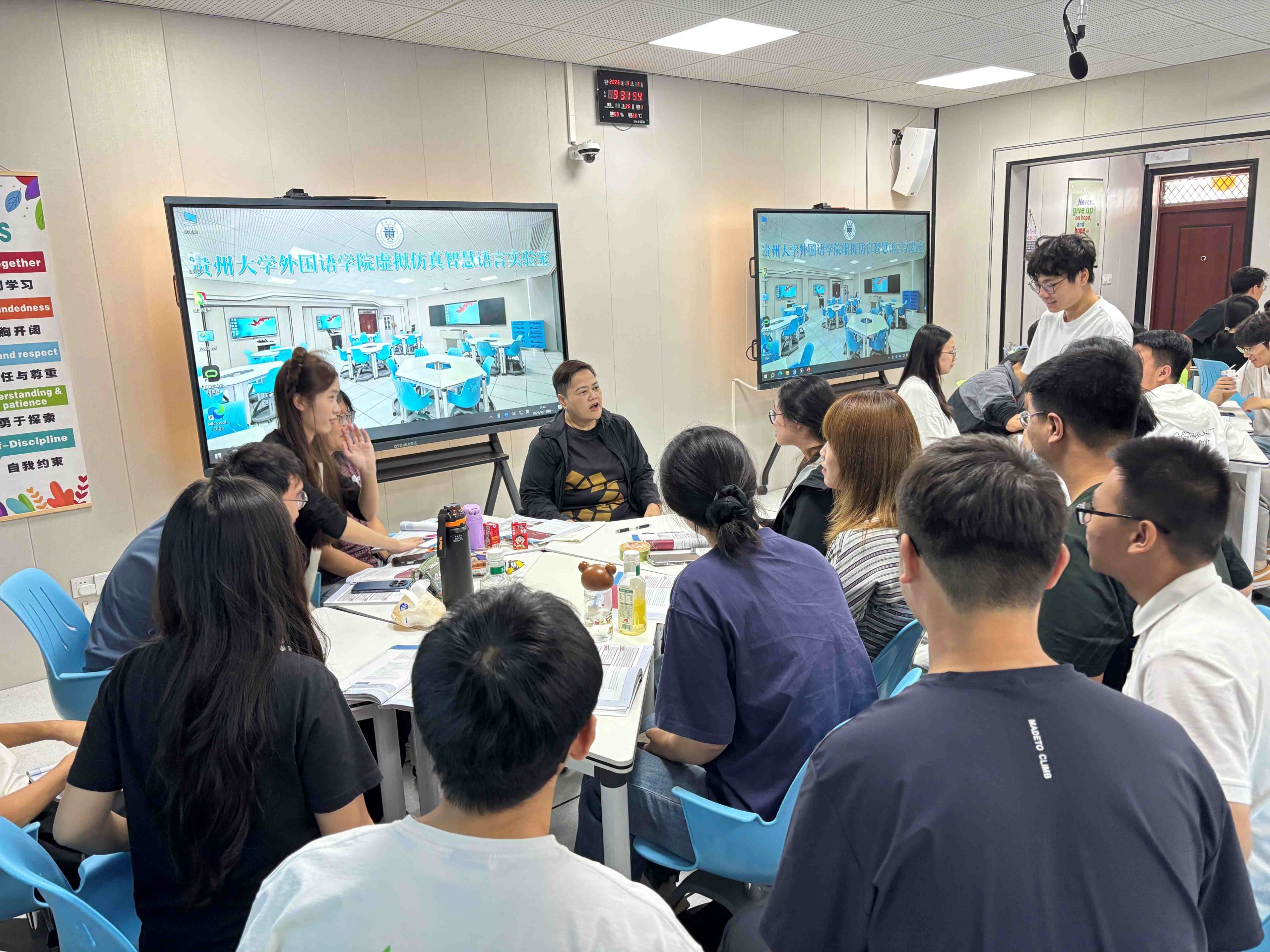
🍃Reliving Sweet Old Memories: SUT ELS reconnects with alumni in Guizhou, China 🥰
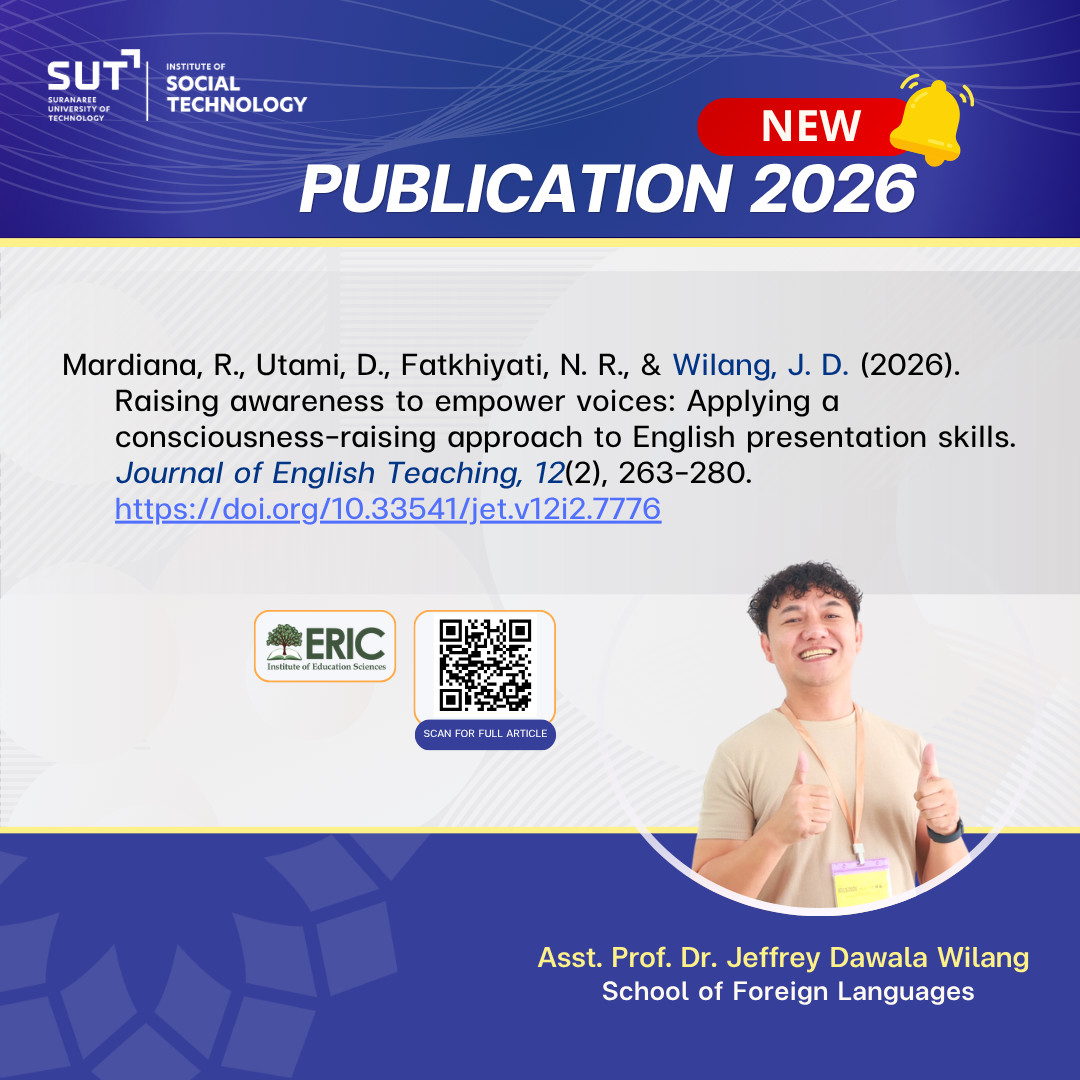
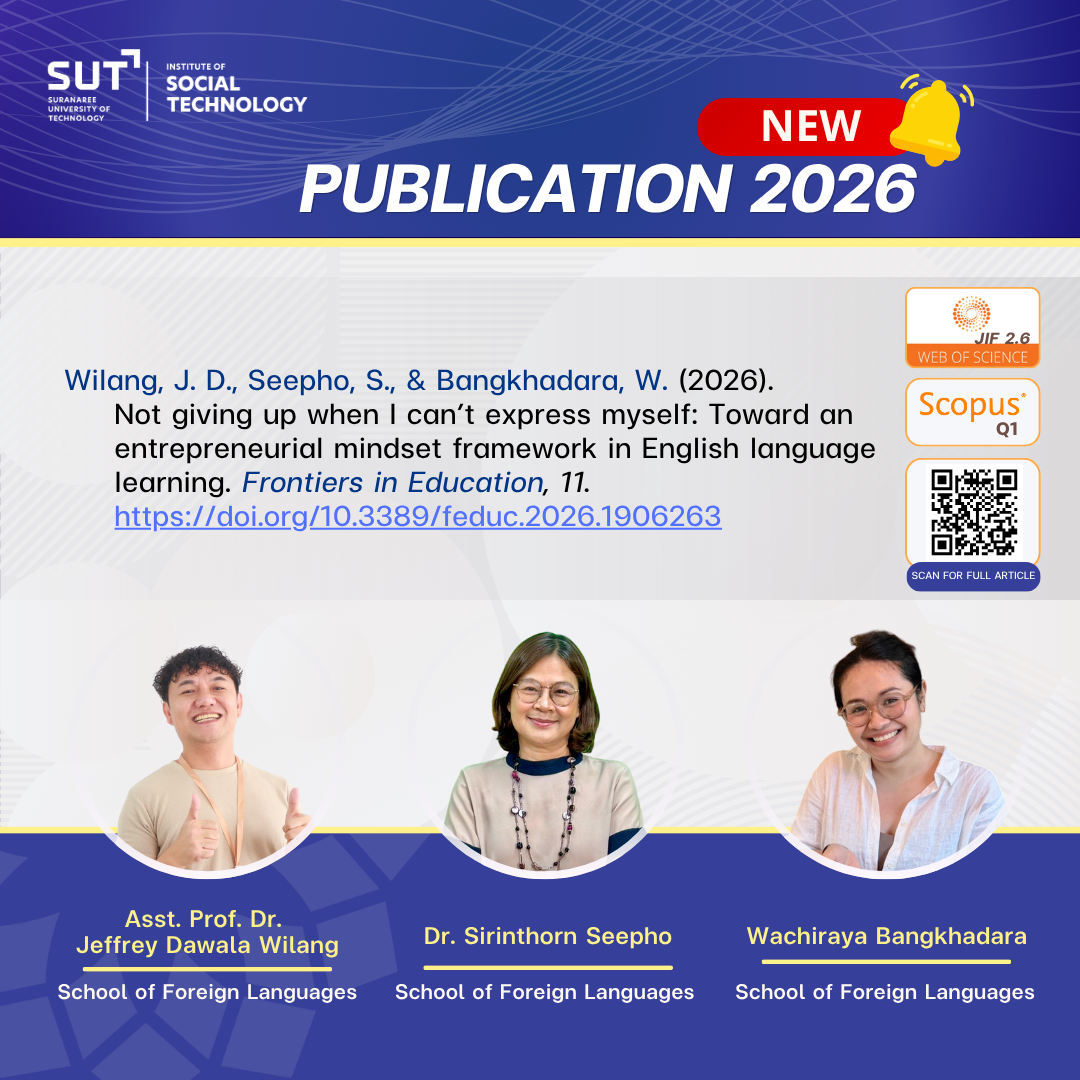
🔔 New Publication Alert! Congratulations to Our Faculty Member!
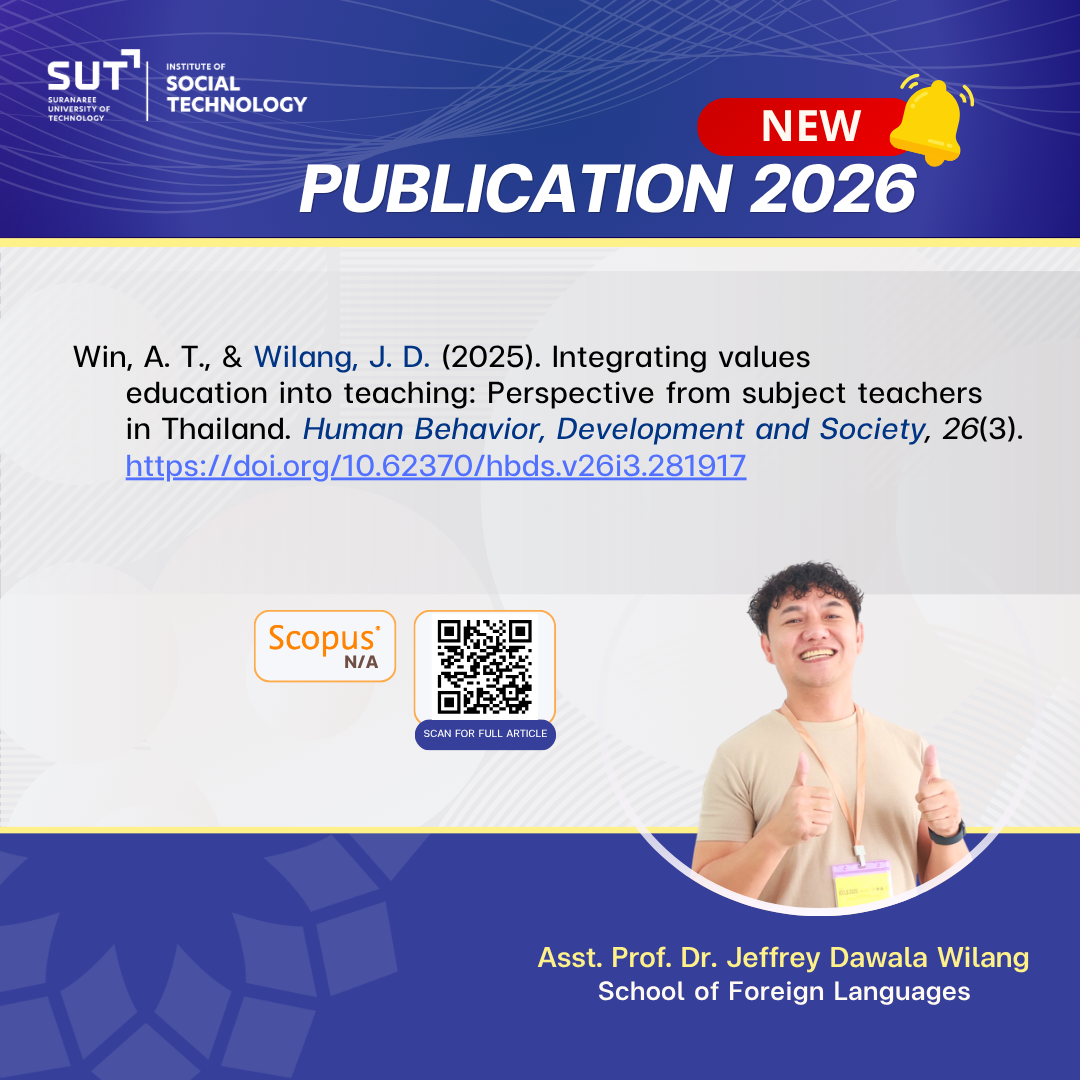
🔔 New Publication Alert! Congrats to Our Faculty on Scopus Success
🎉 CONGRATULATIONS Mr. Panupan Panthong for achieving an “EXCELLENT” rating in Thesis Defense!
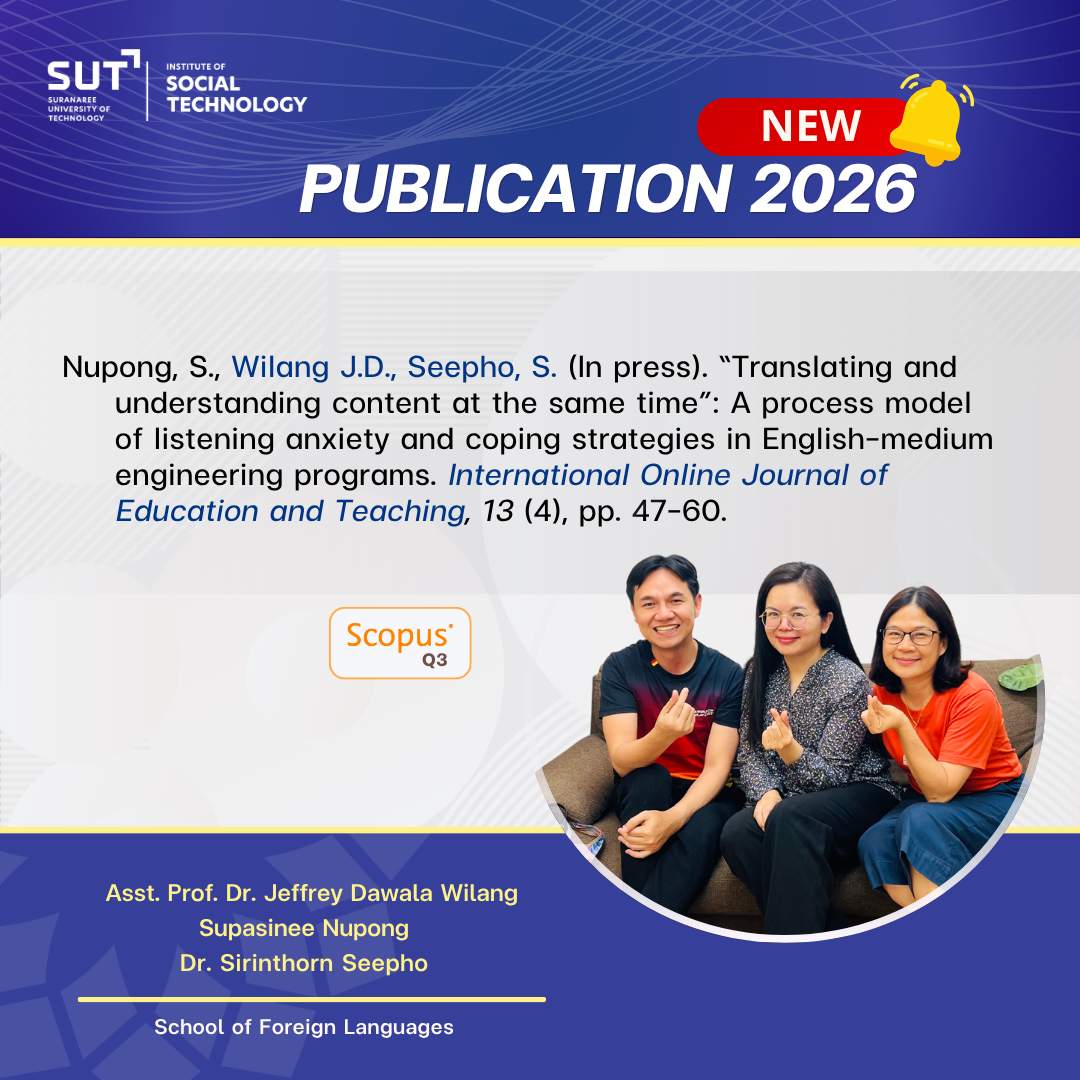
🔔 New Publication Alert! Congrats to Our Faculty on Q3 Scopus Success
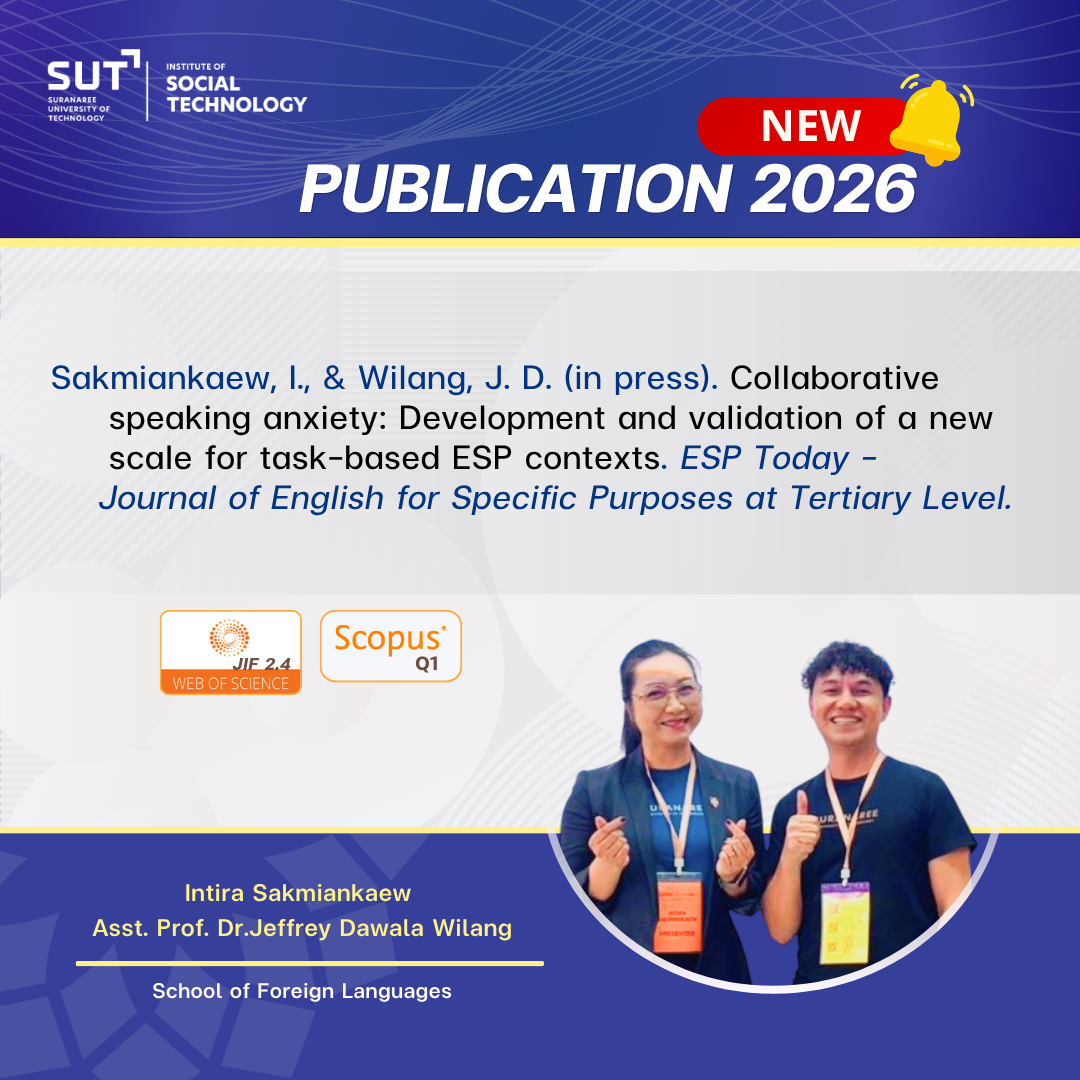
🔔 New Publication Alert! Congrats to Our Faculty on Q1 Scopus Success
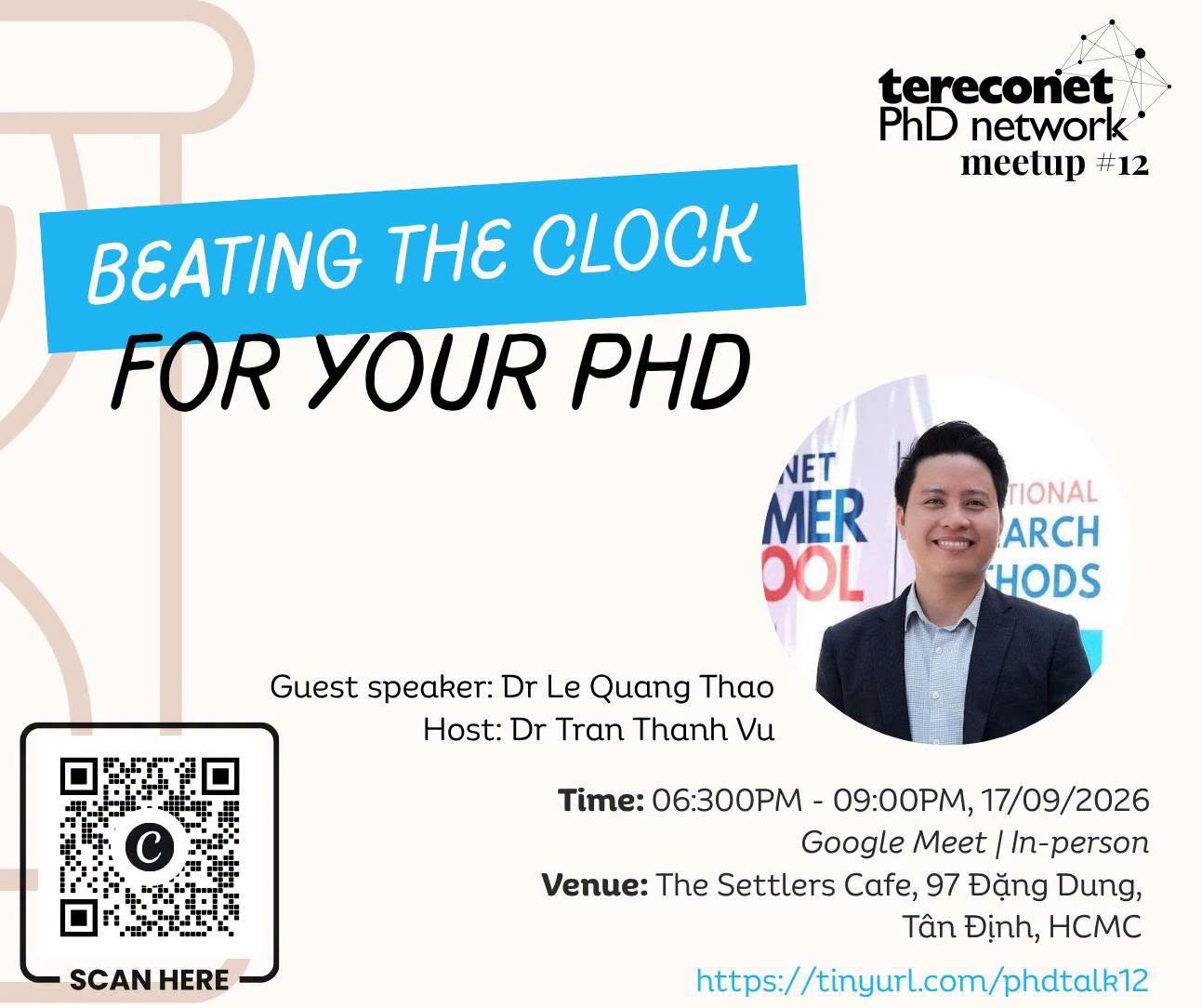
Tereconet PhD network meetup #12
News
🍃Reliving Sweet Old Memories: SUT ELS reconnects with alumni in Guizhou, China 🥰
🔔 New Publication Alert! Congratulations to Our Faculty Member!
🔔 New Publication Alert! Congrats to Our Faculty on Scopus Success
🎉 CONGRATULATIONS Mr. Panupan Panthong for achieving an “EXCELLENT” rating in Thesis Defense!
🔔 New Publication Alert! Congrats to Our Faculty on Q3 Scopus Success
🔔FL officially back at ACADEMIC BUILDING C1~🎉
🔔 New Publication Alert! Congrats to Our Faculty on Q1 Scopus Success
Tereconet PhD network meetup #12
👍We would like to invite you to join us in Thesis Defense of Mr. Panupan Panthong
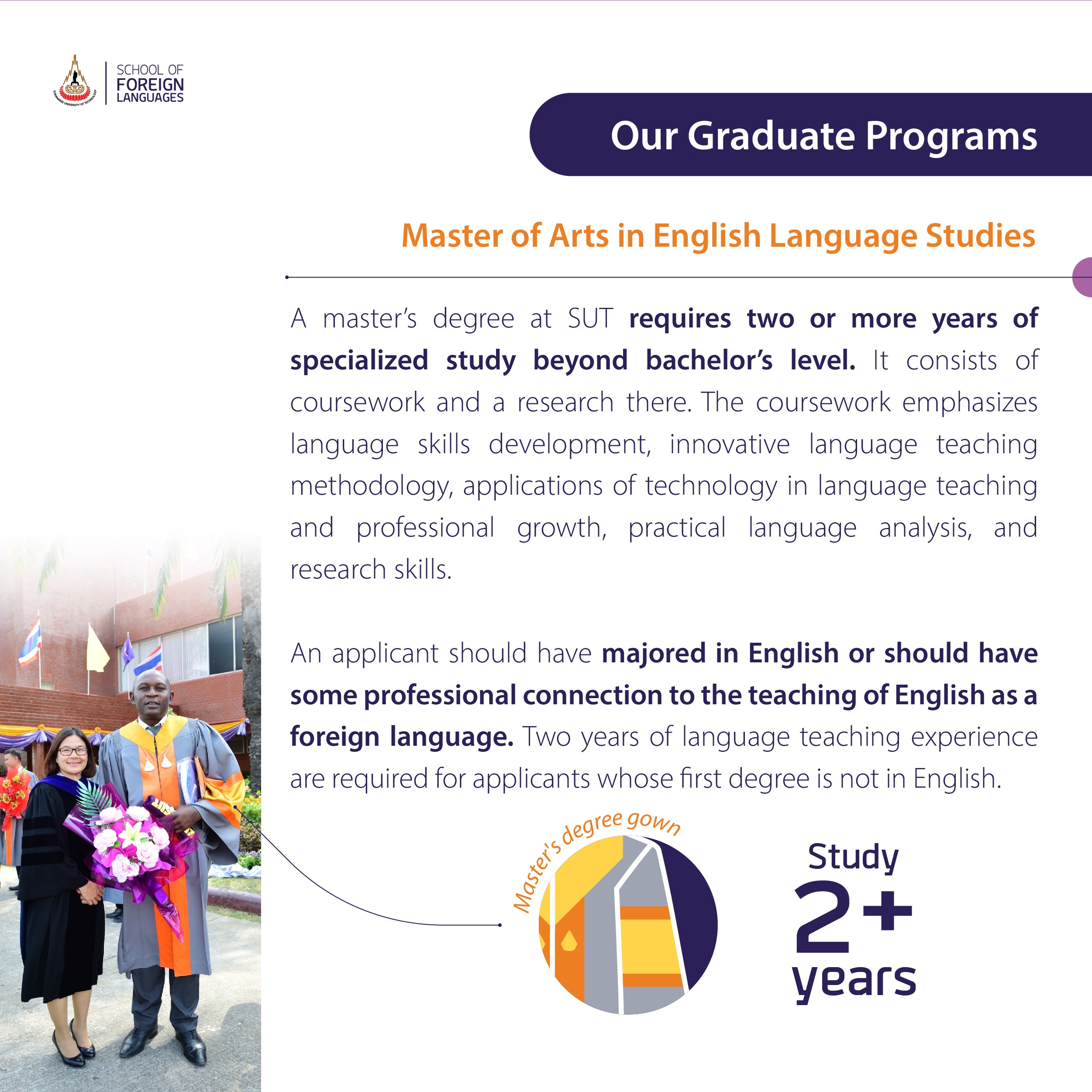
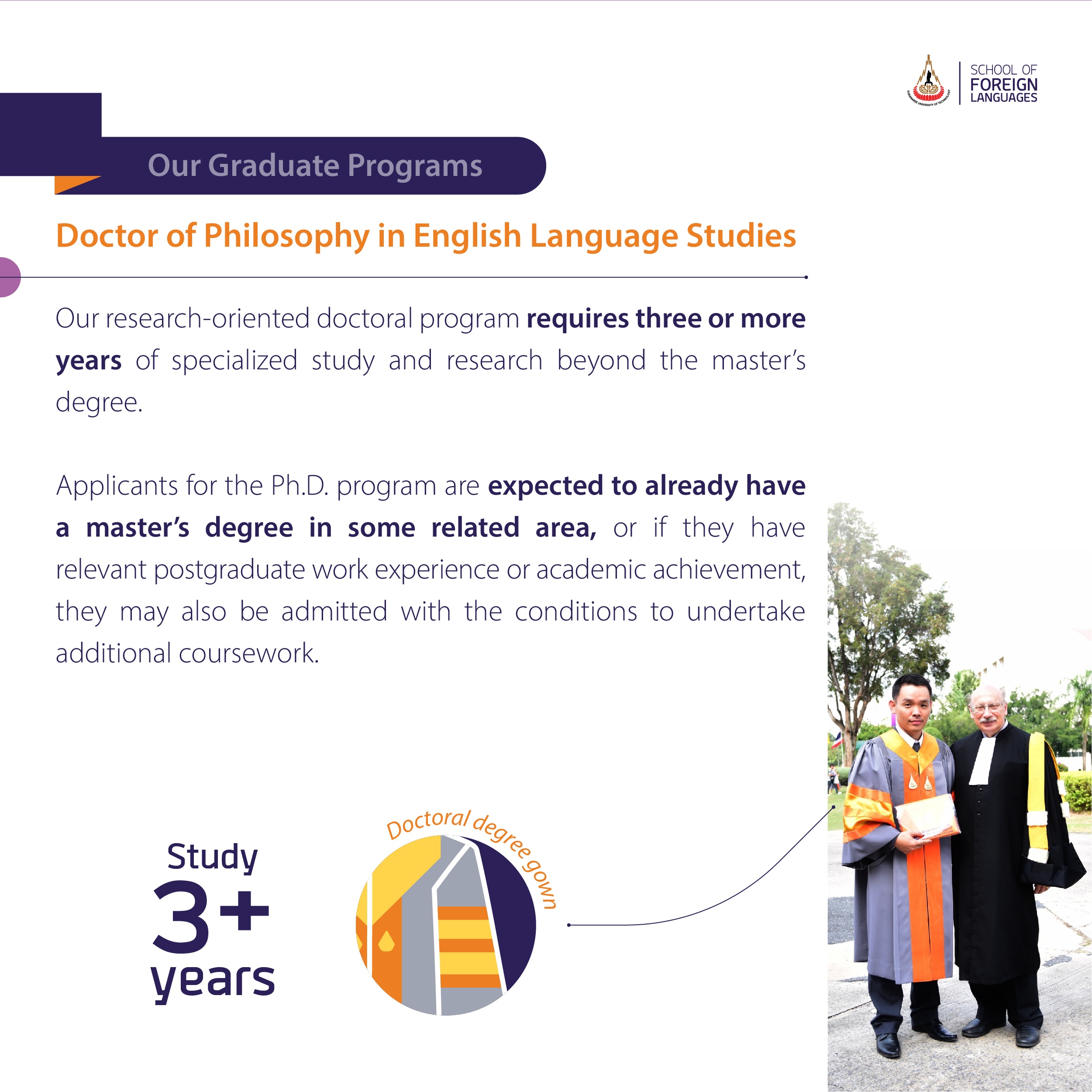
Doctor of Philosophy Program in English Language Studies (ELS)
The Program Philosophy
The philosophy underpinning the Ph.D. ELS program is aligned with Constructivism and Experiential learning which promotes that the learning process is actually the process of knowledge creation itself. By placing the learners at the center of knowledge creation, they are encouraged and supported to search for and collect new experiences and new information, synthesize them by making a connection between this new set of information with the existing ones that they have, and then formulate or create their own understandings of such phenomena which could then be proposed as new knowledge and recommended actions. Through cognitive structure, the learners are required to engage in active learning and have freedom to choose their own areas of interest so that they can actively construct new knowledge that meet their individual needs and serve their different purposes.
Program Learning Outcomes(Ph.D.)
Master’s Program in English Language Studies (ELS)
The Program Philosophy
The M.A. ELS program is grounded in reflective practice and sociocultural perspectives on teacher learning, which view the development of English language teachers as a continuous process of connecting theory with classroom practice. Learners are regarded as developing professionals whose previous teaching and learning experiences form the basis for further growth. Through microteaching, classroom observation, materials development, teaching practicum, and collaborative lesson planning, learners apply language teaching theories in authentic contexts, evaluate their instructional decisions, and improve their teaching through reflection and feedback from mentors and peers. Within a supportive professional community, they build the pedagogical knowledge, skills, and professional identity needed to teach diverse learners in changing educational settings. By conducting classroom-based inquiry such as action research, learners address problems in their own teaching and use the findings to improve instruction. The program thus prepares reflective, adaptive, and evidence-informed teachers and teacher educators who enhance English language education in their institutions and communities.
Program Learning Outcomes (M.A.)
1. Recognize and demonstrate professional and academic codes of conduct 2. Demonstrate effective use of the English language for communication for academic, teaching and learning, and research purposes.